Unpacking the Benefits, Risks, and What You Should Know Before Taking Them
What Are Health Supplements?
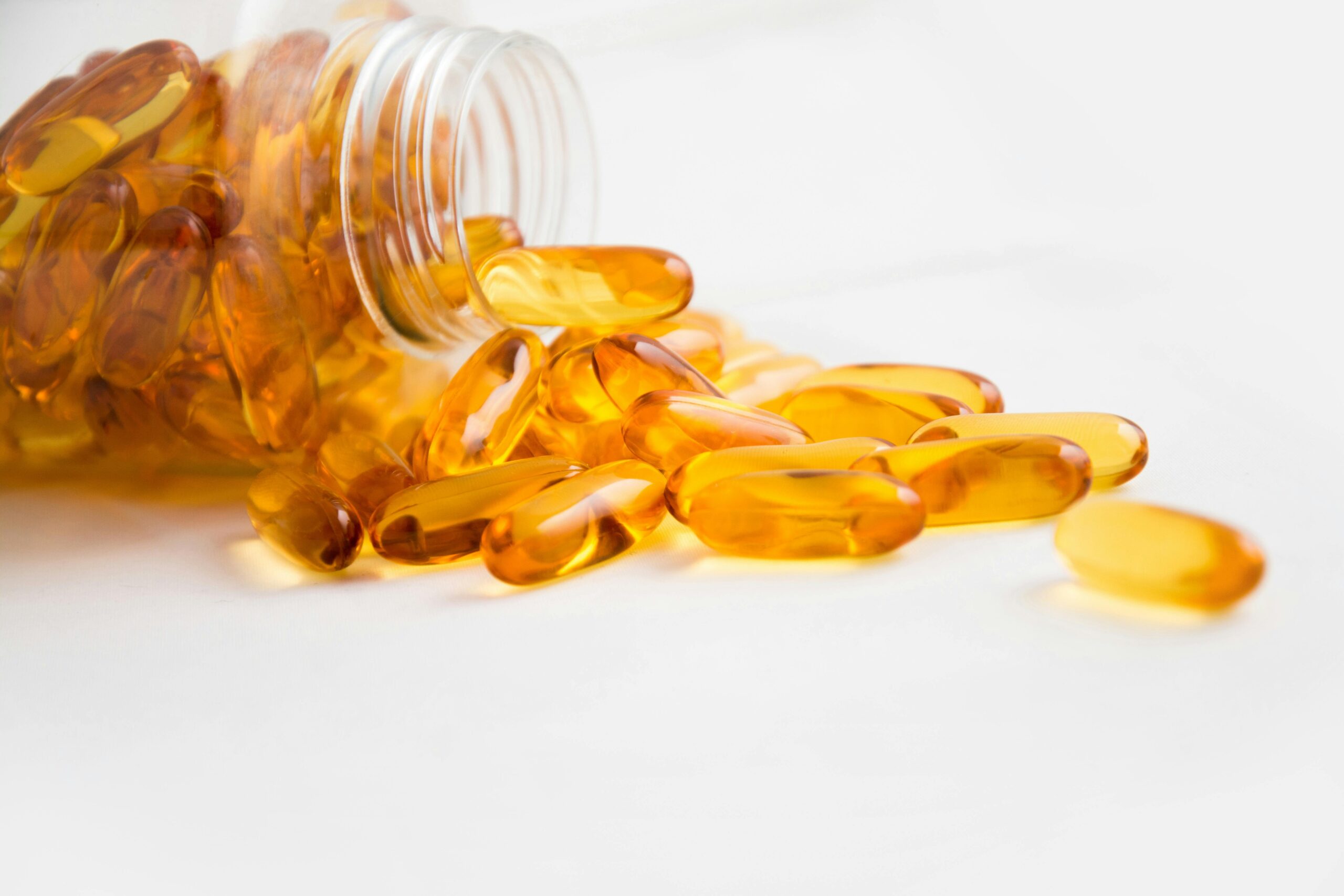
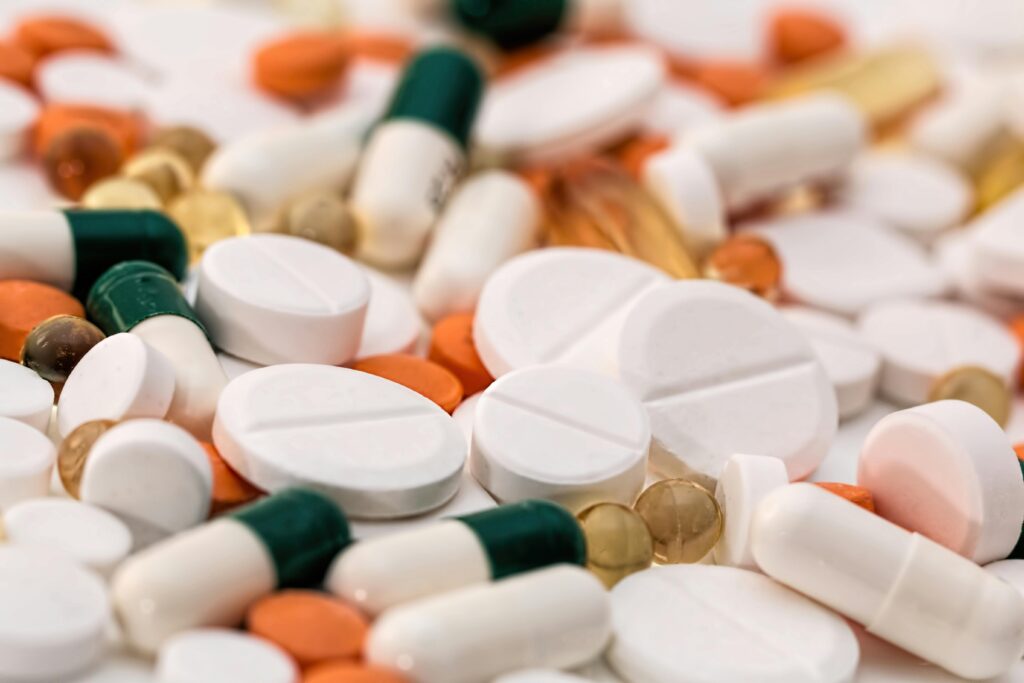
Health supplements are products designed to add nutritional value to your diet. They come in many forms—vitamins, minerals, herbs, amino acids, and enzymes—usually in pills, capsules, powders, or liquids.
They’re commonly used to:
Fill dietary gaps
Improve overall wellness
Support specific health conditions (like vitamin D for bone health or iron for anemia)
Introduction
In today’s health-conscious world, supplements are everywhere—promising everything from better immunity to sharper focus and stronger bones. But with all these options on the market, one major question remains: Are health supplements actually safe? This post dives into the facts, myths, and science to help you make informed choices.
The Benefits of Supplements
When used appropriately, supplements can be beneficial. Here’s how:
Nutritional Support: People with dietary restrictions or certain medical conditions may not get enough nutrients from food alone.
Preventing Deficiencies: Folic acid during pregnancy or vitamin B12 for vegans are good examples.
Performance Boost: Some supplements (like creatine or whey protein) may support fitness and athletic goals.
So, Are They Safe?
Here’s where it gets nuanced. The answer is: It depends.
Supplements are generally safe when:
Taken in recommended doses
Approved or verified by regulatory bodies or third-party testers
Recommended by a healthcare provider
But risks can arise when:
Doses exceed daily recommended limits (e.g., too much vitamin A or iron can be toxic)
Supplements interact with medications (e.g., St. John’s Wort and antidepressants)





Leave a Reply